How to Select the Right Test Instruments for GIS Projects
When working with GIS projects, it’s crucial to pick the right test instruments. These instruments need to withstand high voltage and provide accurate readings. One important tool is a high-voltage test set. This tool helps check if the GIS can handle the electricity it will work with. Look for features like a wide voltage range and quick measurement times. Another useful instrument is an insulation resistance tester. This bdv transformer test device checks if the insulation is working well and keeps electricity from leaking. Make sure it can measure different types of insulation materials. Besides these, consider tools that offer data logging. With data logging, you can keep track of measurements over time, which helps spot trends or problems. Battery-powered options can be handy too. They let you work in places without easy power access. Think about the size and weight of the instruments as well. If you need to move around a lot, lighter equipment can make your job easier. One more thing to remember is the user interface. Instruments that are easy to read and operate can save time and reduce mistakes. At HV HIPOT, we have a variety of tools designed specifically for GIS projects, ensuring you have everything you need for accurate testing.
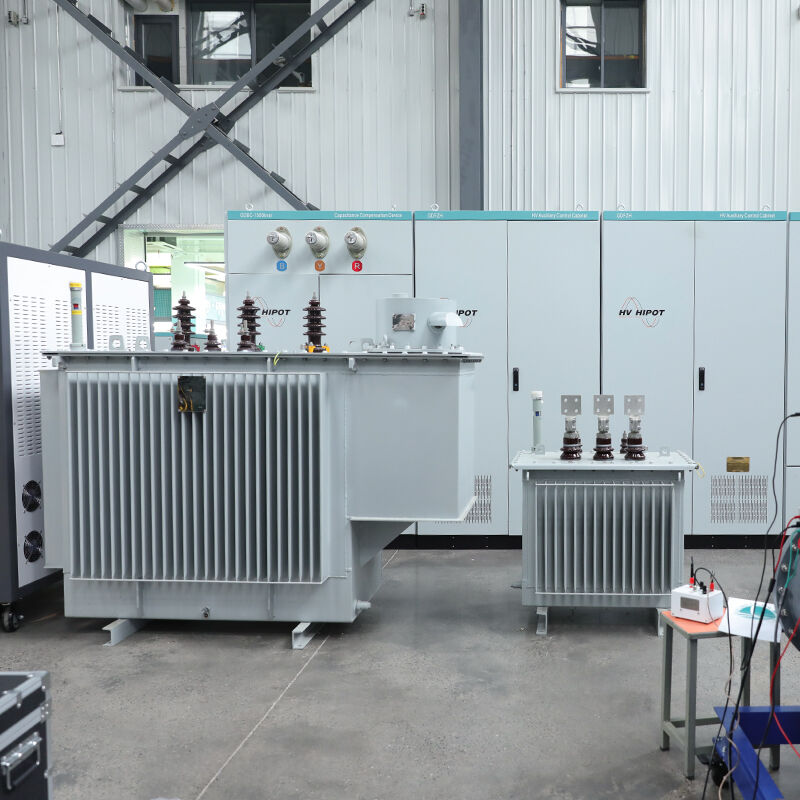
What to Look for in Quality Test Equipment for Transformer Applications
When it comes to transformers, having the right test equipment is vital. You want instruments that can test various aspects of the transformer, like insulation, voltage, and current. One essential piece is a transformer turns ratio tester. This tool checks if the transformer has the right ratio of turns in the windings. If it’s off, the transformer might not work correctly. Another important instrument is a power factor tester. This checks the efficiency of the transformer by measuring the power factor. A low power factor can mean the transformer is not working well and could lead to issues down the road. A high-voltage insulation tester is also key. It ensures that the insulation is strong enough to handle the electrical load. Make sure the tester has options for different voltage levels based on your transformer oil test specifications. Additionally, consider the durability of the equipment. Test instruments can be exposed to rough environments, so they should be sturdy and reliable. It’s also helpful if they come with good support, like manuals or customer service, in case you have questions. With HV HIPOT's range of quality test instruments, you can find exactly what you need for your transformer projects, ensuring everything runs smoothly and safely.
When it comes to working on cable projects, finding the right test instruments is very important
Reliable test instruments help ensure that cables are safe and work well. One good place to find these tools is through trusted companies like HV HIPOT. They offer a range of test instruments that can help check the quality and safety of cables. You can visit their website or contact them directly to learn about the different tools they have. Another good option is to attend industry trade shows or events, where many companies showcase their latest products. These events give you a chance to see the tools in action and ask questions. You can also read reviews online to see what other people say about various testing instruments. It’s important to choose instruments that have a good reputation for being accurate and reliable. When looking for test instruments, make sure they are made for the specific type of cable you are working with. For example, some tools are designed for high voltage cables, while others are for low voltage. This is important because using the wrong tool can lead to incorrect readings or even damage to the cable. Always check if the instrument meets industry standards. Instruments that pass these standards are usually more trustworthy. HV HIPOT offers a variety of test instruments that meet these standards, making them a great choice for anyone working on cable projects.
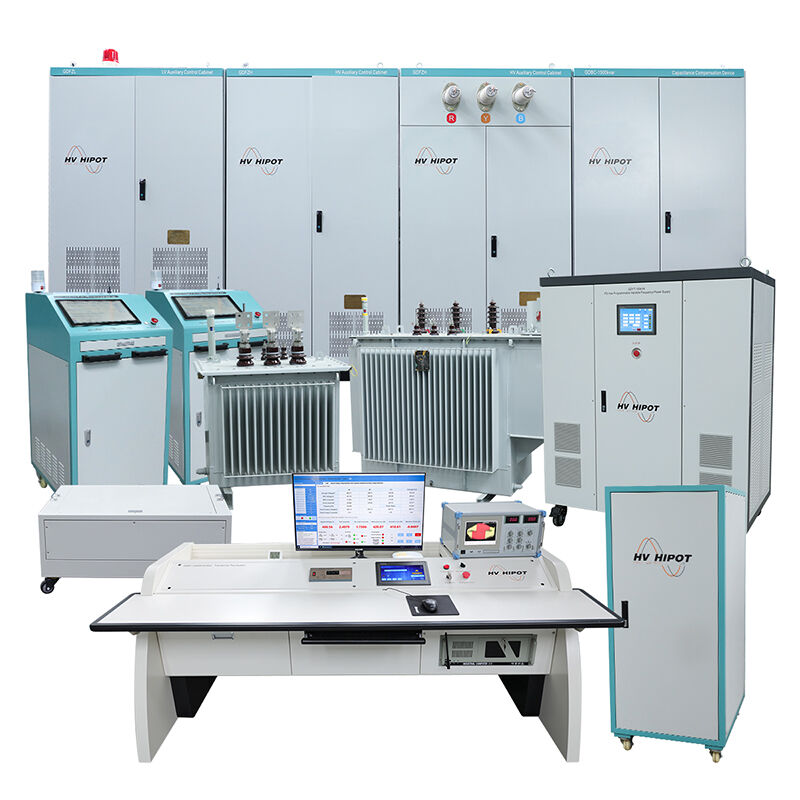
Once you have the right test instruments, knowing how to use them properly is essential
Testing cables with advanced instruments requires some best practices to ensure accurate results. First, always read the instructions that come with the test instrument. Understanding how the instrument works will help you use it correctly. Before starting a test, make sure the cable is disconnected from any power source. This is very important for safety. If the cable is still connected, it could cause electric shock or damage the instrument. Next, check the instrument settings. Make sure they are set according to the type of cable you are testing. Incorrect settings can lead to wrong readings. Once everything is set up, carefully follow the testing procedures. Take your time and do not rush. After the test, record the results carefully. This will help you track the cable's condition over time. If you notice any problems during testing, make sure to address them right away. It’s also a good idea to do regular checks on your instruments to ensure they are working correctly. HV HIPOT instruments are designed to be user-friendly, making the testing process easier for everyone involved.
When you think about test instruments for GIS, transformers, and cable projects, certain features make them essential
First, accuracy is very important. You want to make sure the readings you get from the instruments are correct. This helps in making informed decisions about the oil bdv test of transformer equipment you are testing. Instruments from HV HIPOT are known for their precision, which is why many professionals trust them. Another important feature is durability. Test instruments need to withstand tough working conditions, especially on job sites. If they break easily, it can be very frustrating and costly. Look for instruments that are built to last and can handle being moved around often. Portability is also a key feature. Instruments that are easy to carry or transport can save time and effort on jobs. Additionally, user-friendliness is crucial. Instruments that are complicated can lead to mistakes during testing. HV HIPOT designs their instruments to be straightforward, so even those who are new to testing can use them effectively. Lastly, having advanced features, like the ability to connect to computers or smartphones for data analysis, can be very helpful. These features allow for better monitoring and reporting of the test results. By understanding these key features, you can choose the best test instruments for your GIS, transformer, and cable projects, ensuring safety and reliability in your work.